
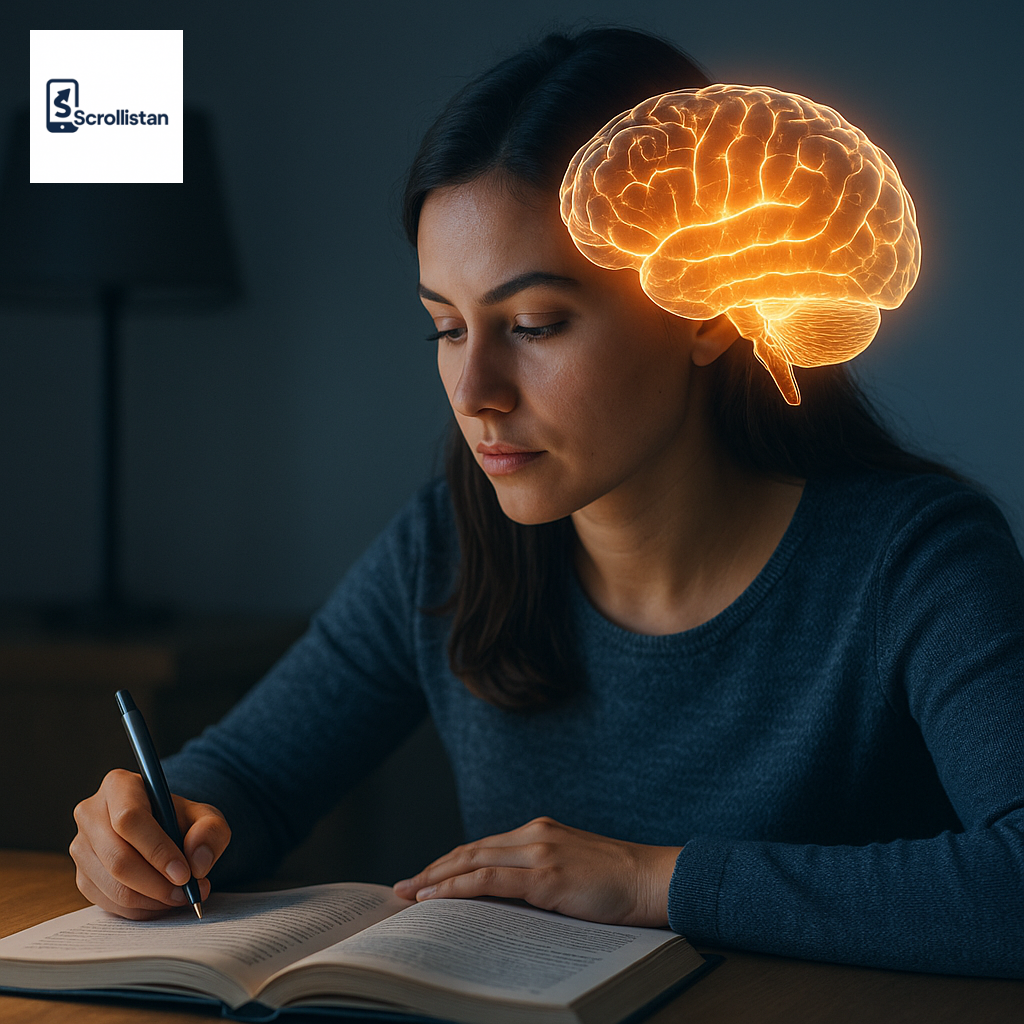
How Your Brain Learns Faster at Night: Surprising Science
Have you ever noticed that sometimes your mind feels sharper at night? Maybe you find it easier to understand new ideas or remember things better when the world is quiet and dark. It turns out, there is real science behind why your brain can learn faster at night. In this article, we’ll explore how your brain processes information differently after sunset and share some practical tips on how to use this natural advantage to improve your learning.
The Science Behind Nighttime Learning
The Brain’s Daily Rhythm
Your brain works on a schedule called the circadian rhythm, which is like an internal clock running about every 24 hours. This rhythm controls many functions, including sleep, hormone release, and alertness. During the day, your brain is busy processing information and handling many tasks. But at night, certain brain activities change, creating a unique environment for learning.
Memory Consolidation Happens at Night
One of the most important processes related to learning is memory consolidation. This is when your brain takes the information you gathered during the day and organizes it into long-term memory. Research shows that this process is especially active during sleep, particularly during deep sleep stages. But even before you fall asleep, at night, your brain is preparing to store and strengthen new knowledge.
Reduced Distractions and Increased Focus
At night, external distractions like noise, social interactions, and busy environments drop dramatically. This quiet time helps your brain focus better. With fewer interruptions, your ability to concentrate improves, allowing you to absorb new information more effectively.
Brain Chemical Changes at Night
Certain chemicals in your brain change throughout the day. For example, melatonin, the hormone that helps regulate sleep, rises at night and has been linked to improved learning and memory. Additionally, the levels of cortisol, a stress hormone, usually drop at night, which can reduce anxiety and create a calmer mind ready for learning.
How to Harness Nighttime Learning for Better Results
Plan Your Study Sessions Wisely
If you notice you feel more alert and focused at night, try scheduling your most challenging study or work tasks during this time. Use the evening hours to review complex topics, practice skills, or read difficult materials.
Create a Comfortable, Distraction-Free Environment
Set up a quiet, well-lit space for your night study sessions. Turn off notifications on your devices and minimize interruptions. This will help your brain maintain focus and make learning more efficient.
Use the Power of Short Breaks
Even at night, your brain needs rest. Use techniques like the Pomodoro method—study for 25 minutes, then take a 5-minute break—to keep your mind fresh and attentive.
Get Enough Sleep
While studying at night can be beneficial, it’s crucial to get enough sleep afterward. Sleep is when your brain consolidates memories, so cutting it short can harm your learning. Aim for 7-9 hours of quality sleep every night to maximize the benefits of your nighttime study.
Try Light Evening Exercise or Relaxation
Light exercise or relaxation techniques like meditation in the evening can reduce stress and improve brain function. A calm, relaxed brain absorbs information better.
Common Myths About Learning at Night
“Night Owls Are Just Lazy”
Many people think that staying up late means being lazy or unproductive, but science shows some people naturally perform better at night. Respect your personal rhythm and use it to your advantage.
“You Must Study All Day”
Studying non-stop during the day isn’t always effective. Quality and focus matter more than quantity. Sometimes, studying at night when your brain is primed to learn can yield better results.
Final Thoughts: Embrace Your Nighttime Brain
Understanding how your brain learns faster at night can change the way you approach learning and productivity. By aligning your study habits with your natural brain rhythms, creating a good environment, and ensuring proper rest, you can unlock your brain’s full potential.
So next time you feel your mind sharpening as the sun goes down, remember: your brain is ready to learn, absorb, and grow. Embrace the night, and watch your learning soar!