
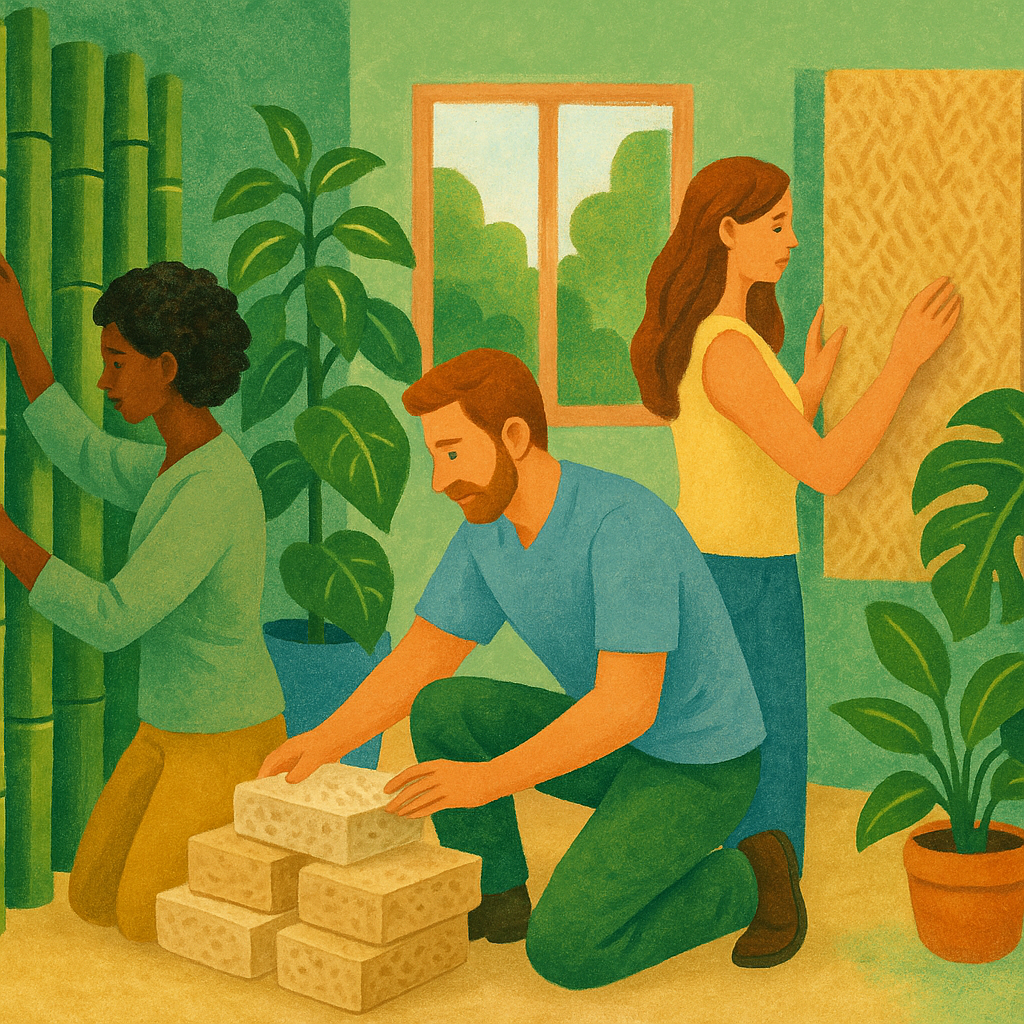
Bio‑Based Building Materials
As the world shifts toward more sustainable practices, the construction and interior design industries are embracing bio-based building materials. Materials like mycelium, hemp, and other eco-friendly options not only reduce environmental impact but also offer innovative and aesthetically pleasing solutions for modern interiors.
Understanding Bio-Based Materials
Bio-based materials are derived from renewable resources, contrasting with traditional materials that often rely on fossil fuels. These materials are designed to be sustainable, biodegradable, and often have a lower carbon footprint. As a result, they contribute significantly to green building practices, helping to create healthier living environments.
The Rise of Mycelium in Interiors
Mycelium, the root structure of mushrooms, is gaining traction as a versatile and sustainable building material. It can be grown into various shapes and forms, offering unique design possibilities while being entirely biodegradable.
One of the most notable applications of mycelium is in the creation of insulation panels. These panels not only provide excellent thermal performance but also sequester carbon, making them a double win for the environment.
For example, companies like MycoTex are innovating with mycelium textiles, turning this natural material into beautiful and functional fabrics for interior design.
Benefits of Mycelium
- Biodegradability: Mycelium products break down naturally, reducing landfill waste.
- Low Energy Input: Growing mycelium requires minimal energy compared to traditional manufacturing processes.
- Unique Aesthetics: Each mycelium piece has a distinct look, adding character to interiors.
Hemp: A Versatile Eco Material
Hemp is another remarkable bio-based material that has been used for centuries. Its fibers are incredibly strong and versatile, making it suitable for various applications, including insulation, flooring, and textiles.
Hemp insulation, for instance, is an excellent alternative to traditional fiberglass insulation. It is non-toxic, moisture-resistant, and has excellent thermal properties. Furthermore, it can help regulate humidity levels in a space, improving indoor air quality.
For those interested in hemp-based products, Hempitecture offers a range of innovative solutions that showcase the material’s potential in sustainable construction.
Advantages of Using Hemp
- Rapid Growth: Hemp plants grow quickly and require less water compared to cotton or timber.
- Carbon Sequestration: Hemp absorbs CO2 from the atmosphere, helping combat climate change.
- Durability: Hemp fibers are resistant to mold and pests, offering a long-lasting solution for interiors.
Other Eco-Friendly Materials to Consider
Beyond mycelium and hemp, various other bio-based materials are making their way into the interior design spotlight. Here are a few noteworthy mentions:
Cork
Cork is harvested from the bark of cork oak trees, making it a renewable resource. It is naturally water-resistant, insulating, and provides excellent acoustic properties, making it ideal for flooring and wall coverings.
Bamboo
Bamboo is another rapidly renewable material that can be used for flooring, furniture, and cabinetry. Its strength and flexibility make it a popular choice for modern interiors, and its growth rate ensures a sustainable supply.
Recycled Materials
Using recycled materials, like reclaimed wood or recycled metal, can significantly reduce the ecological footprint of a project. These materials add character and history to interiors, while also promoting sustainability.
Integrating Bio-Based Materials into Your Interiors
Transitioning to bio-based materials in your interior spaces can be an exciting journey. Here are some tips to get started:
- Research and Source: Look for local suppliers who specialize in eco-friendly materials to reduce transportation emissions.
- Choose Versatile Options: Select materials that can serve multiple functions, such as mycelium for both insulation and décor.
- Incorporate Nature: Use plants and natural elements alongside bio-based materials to create a harmonious, biophilic design.
Case Studies of Successful Implementations
Several projects around the world have successfully incorporated bio-based materials into their designs, showcasing their potential:
Green Building in the Netherlands
A recent project in the Netherlands utilized hemp and mycelium for both insulation and structural elements. The building not only achieved excellent energy performance but also highlighted the aesthetic appeal of these materials through visible design elements.
Eco-Friendly Office Spaces
In an office building in California, designers opted for cork flooring and bamboo furnishings. The result was a vibrant, inviting workspace that promotes sustainability while enhancing employee well-being.
The Future of Sustainable Interiors
As technology advances, we can expect to see even more innovative bio-based materials emerging. Research into algae-based products, for instance, is underway, promising a whole new range of sustainable options for interiors.
Moreover, the increasing consumer demand for eco-friendly products is pushing manufacturers to explore sustainable alternatives, ensuring that bio-based materials will play a crucial role in the future of interior design.
Conclusion: Embrace Sustainability in Your Home
By choosing bio-based building materials like mycelium, hemp, and others, you can not only create beautiful interiors but also contribute to a more sustainable future. Whether you’re renovating your home or designing a new space, consider integrating these innovative materials into your project.
For more insights on sustainable living, explore our articles on eco-friendly travel, sustainable technology, and wellness practices. Join the movement toward a greener future!
FAQs
What are bio-based building materials?
Bio-based building materials are made from renewable resources and are designed to be sustainable, biodegradable, and reduce environmental impact.
How can I incorporate bio-based materials in my home?
You can start by researching local suppliers of bio-based materials, choosing versatile options, and integrating natural elements into your design.
Are bio-based materials more expensive than traditional materials?
While some bio-based materials may initially cost more, their long-term benefits, such as durability and energy efficiency, often offset the upfront investment.